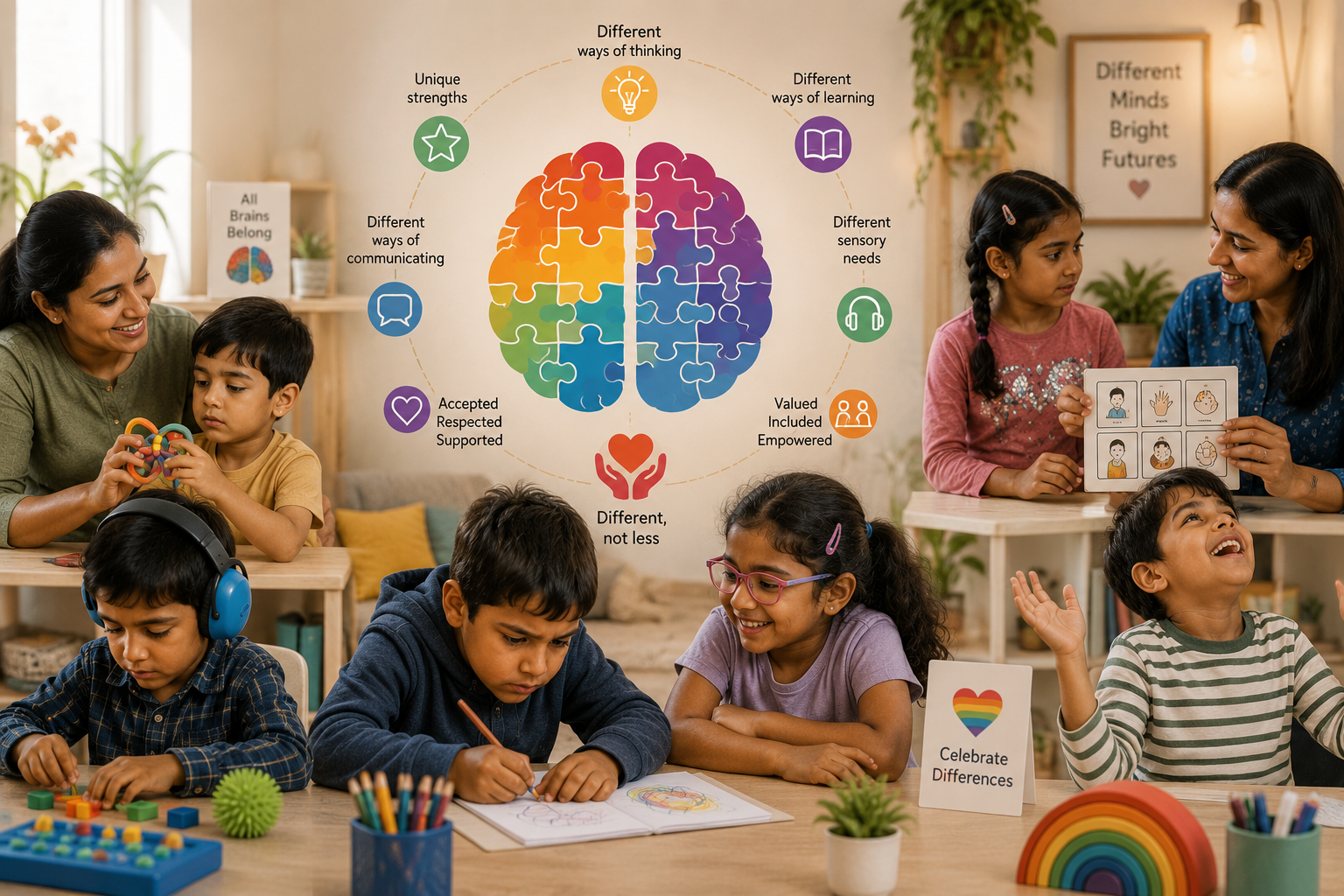
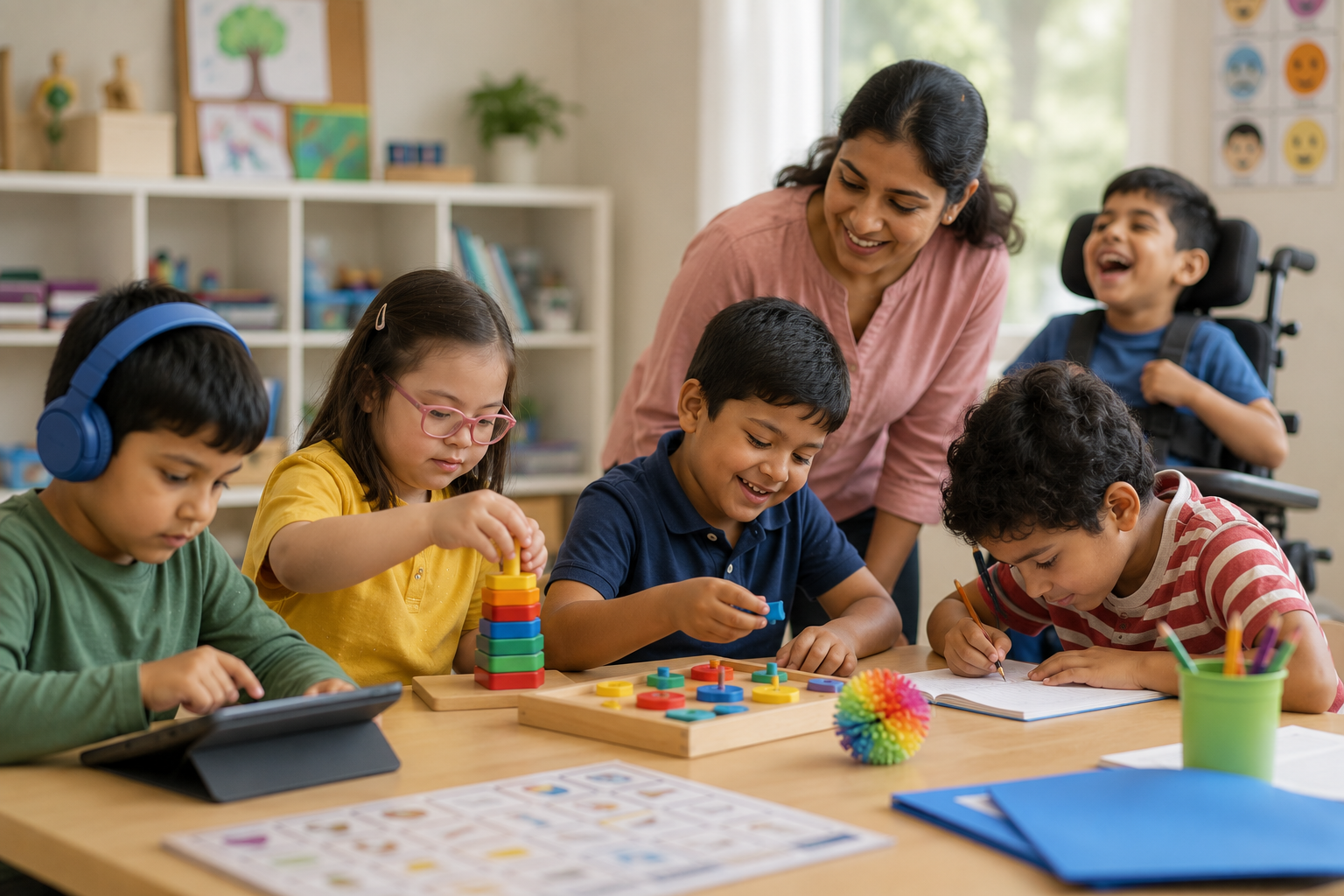
Every child is unique. Children learn, communicate, play, and develop at their own pace. While many children progress through expected developmental milestones with minimal support, others may need additional help to learn, participate, and reach their full potential. These children may be identified as having Special Educational Needs (SEN).
Receiving this news can feel overwhelming for families. Parents may experience uncertainty, worry, or even grief. However, it is important to remember that a diagnosis or identification of SEN does not define a child’s future. Rather, it provides valuable information that helps parents, educators, and professionals understand how a child learns best and how they can be supported to thrive.
Understanding Special Educational Needs
Special Educational Needs is an umbrella term used to describe children who require additional educational support because of differences in learning, communication, physical abilities, behaviour, emotional development, or sensory processing. SEN is not a diagnosis in itself. Instead, it recognises that some children benefit from different teaching approaches, adaptations, or specialist interventions.
Children with SEN may have conditions such as autism, Attention-Deficit/Hyperactivity Disorder (ADHD), dyslexia, developmental language disorder, intellectual disabilities, hearing or vision impairments, cerebral palsy, or other developmental differences. Every child’s profile is unique, and many children have both strengths and areas where they need additional support.
Recognising the Signs
Early identification allows children to receive appropriate support as soon as possible. While every child develops differently, some signs that may warrant further discussion include delayed speech and language development, persistent learning difficulties, challenges with attention or concentration, sensory sensitivities, difficulty interacting with peers, emotional regulation challenges, or delays in motor skills.
These signs do not automatically mean a child has SEN. They simply indicate that further observation or professional assessment may be helpful. Parents know their children best, and trusting your instincts is an important first step.
Where to Seek Support
If you have concerns about your child’s development or learning, begin by speaking with your child’s teacher or healthcare provider. Depending on your child’s needs, they may recommend assessment by professionals such as a developmental paediatrician, clinical psychologist, educational psychologist, speech and language therapist, occupational therapist, or physiotherapist.
Assessment should not be viewed as a label, but as a pathway to understanding. It helps identify both a child’s strengths and the areas where additional support may make the greatest difference.
Supporting Children with SEN
Children with SEN thrive when they are understood, accepted, and encouraged. Families, teachers, and therapists each play an important role in helping children develop confidence, independence, and resilience. Creating predictable routines, celebrating small achievements, adapting learning strategies, and focusing on strengths can have a lasting positive impact.
Most importantly, children benefit when the adults around them work together. Open communication and shared goals help create consistent support across home, school, and therapy settings.
Final Thoughts
A diagnosis is not the end of a child’s story—it is often the beginning of greater understanding. Every child has unique abilities, interests, and potential. With early support, evidence-based interventions, patient guidance, and a nurturing environment, children with Special Educational Needs can learn, grow, and flourish in their own way.
The goal is not to change who a child is, but to provide the understanding, opportunities, and support they need to succeed.
Takeaway
A diagnosis does not change who a child is—it helps us understand how they learn best. When parents, teachers, therapists, and communities work together with acceptance, patience, and evidence-based support, children with Special Educational Needs are empowered to reach their fullest potential. Every child deserves to be seen for their strengths, supported through their challenges, and given every opportunity to thrive.
References
- American Psychiatric Association. (2022). Diagnostic and statistical manual of mental disorders (5th ed., text rev.; DSM-5-TR). American Psychiatric Association.
- United Nations Educational, Scientific and Cultural Organization. (2020). Global education monitoring report 2020: Inclusion and education – All means all. UNESCO.
- United Nations Children’s Fund. (2021). Seen, counted, included: Using data to shed light on the well-being of children with disabilities. UNICEF.
- World Health Organization. (2022). International classification of diseases for mortality and morbidity statistics (11th Revision). World Health Organization.